


Caring Burmese Cat owners know that these intelligent and affectionate companions require a dedicated approach to nutrition, social interaction, and grooming. When you adopt a Burmese Cat, you are welcoming one of the most loyal breeds into your home. Burmese cats are famous for their fantastic personalities and beautiful, glossy coats.
However, they also have specific needs regarding diet, companionship, and health.
Whether you have just brought home a new kitten or adopted an older rescue, this guide covers everything you need to know about a successful Caring Burmese Cat routine.
Table of Contents
1. Preparing Your Home for a Caring Burmese Cat Routine
Before your new feline friend arrives, you need to set up a safe and welcoming environment. A smooth transition is a crucial part of caring for a Burmese cat.
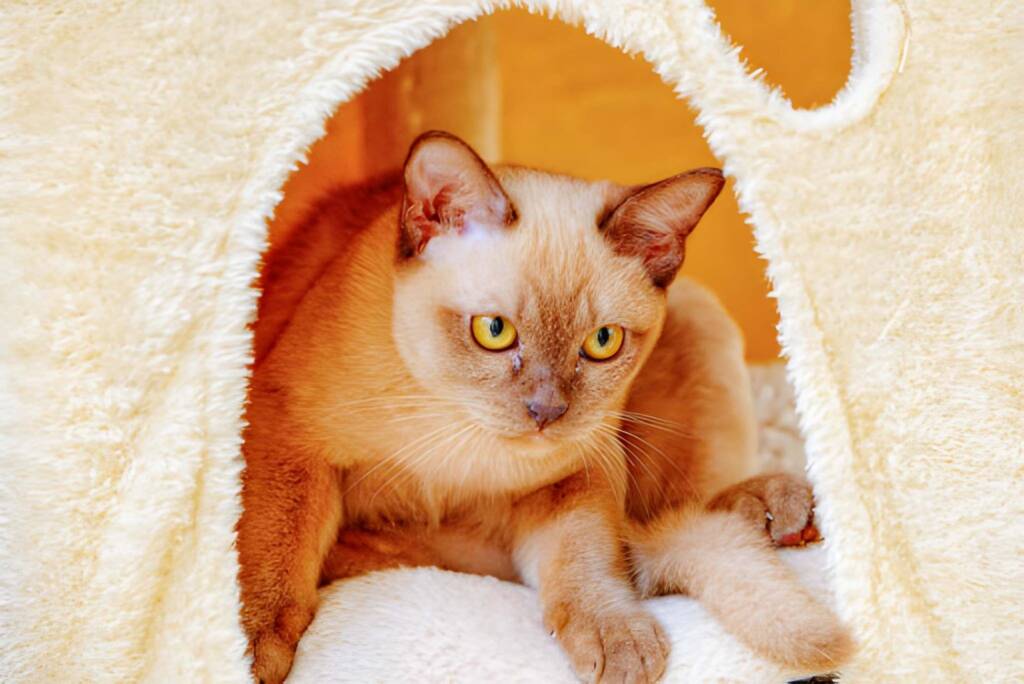
Start by preparing a warm place to sleep. A simple cardboard box enclosed with a small entrance hole, lined with a warm towel or blanket, works perfectly. You do not need to buy expensive baskets immediately.
You must also set up a litter tray in a quiet place. Decide where it will live before the cat arrives, as moving it around will confuse a young kitten. When you first bring them home, confine them to one room for a short time to help them feel secure.
2. The Ideal Diet: What to Feed Your Burmese
A healthy diet is the foundation of feline health. When you purchase a kitten from a registered breeder, you should receive a specific diet sheet.
Kittens require feeding four times a day until they are 16 weeks old. This gradually reduces to two meals a day by the time they reach 9 to 12 months. Meals should be varied, including tinned food, dry food, raw meat, and cooked chicken.
Important: Never feed your Burmese cow milk. They have a very low lactose tolerance, and milk will cause diarrhea or vomiting. Fresh water must be available at all times. Proper nutrition is a primary pillar for caring Burmese cat.
3. Grooming: Caring Burmese Cat
One of the easiest parts of caring for Burmese cats is their grooming. Their short, satin-like coat requires minimal brushing.
Brushing: Use a rubber brush once a week to remove loose hair.
Nail Trimming: Trim nails every 2-3 weeks to prevent snagging on furniture.
4. Companionship and Playtime Needs
Burmese cats love people and are exceptionally good with children. However, this deep affection means they do not like being left alone.
If you are out of the house all day, it is highly recommended to have two cats so they can keep each other company. Because they are extremely playful, ensure you have a good supply of toys to keep them amused.
A sturdy scratching post is also a vital investment to protect your furniture from their energetic climbing and scratching.
5. Hygiene, Parasite Control and Colour choice
Cats are naturally clean animals, so keeping their environment hygienic is essential. Wash their bedding at least once a week and change their litter tray daily.
For parasite control, kittens should be wormed every three weeks from 6 to 12 weeks of age. After that, you must continue worming treatments every three months.
To keep your pet healthy and legally compliant, ensure they are microchipped. For more information on local pet regulations, you can read the official guidelines from the NSW Office of Local Government.
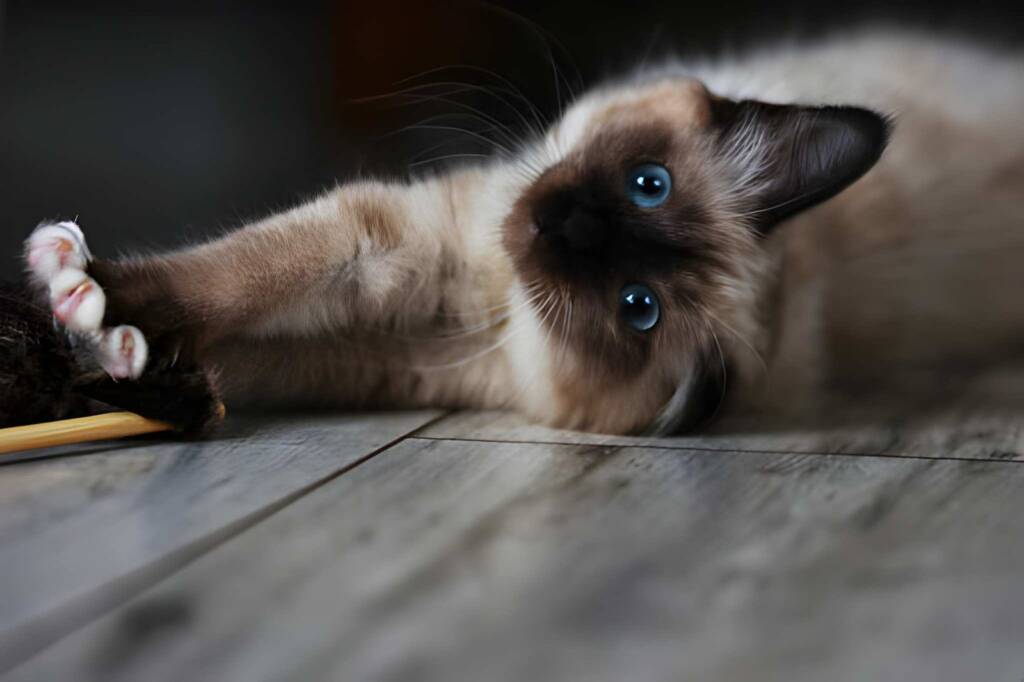
If you are interested in your cat’s genetic heritage, our society provides resources on colour variants and pedigrees. You can check our internal Mating Chart Calculator for more details.
6. Desexing Your Burmese
Unless you are a registered breeder with the proper facilities to house an entire stud male or queen, your Burmese should be desexed.
Indiscriminate mating adds to the number of unwanted kittens. Generally, both male and female kittens are desexed around 6 months of age, though some breeders may do this before you even take them home. Desexing prevents male cats from straying, fighting, and spraying strong-smelling urine inside the house.
7. Finding Support and Advice
If you ever notice signs of illness, such as a sudden loss of appetite, take it seriously.
Your first point of contact should always be the breeder who supplied your kitten. They have years of experience with the breed’s specific traits. If you need further assistance, consult your local veterinarian or reach out to us.
Caring for a Burmese cat is a deeply rewarding experience. The time and affection you devote to this buoyant, elegant breed will be repaid countless times over in loyalty and lifelong companionship. If you are ready to welcome one into your home, view our Breeder’s Directory today.